
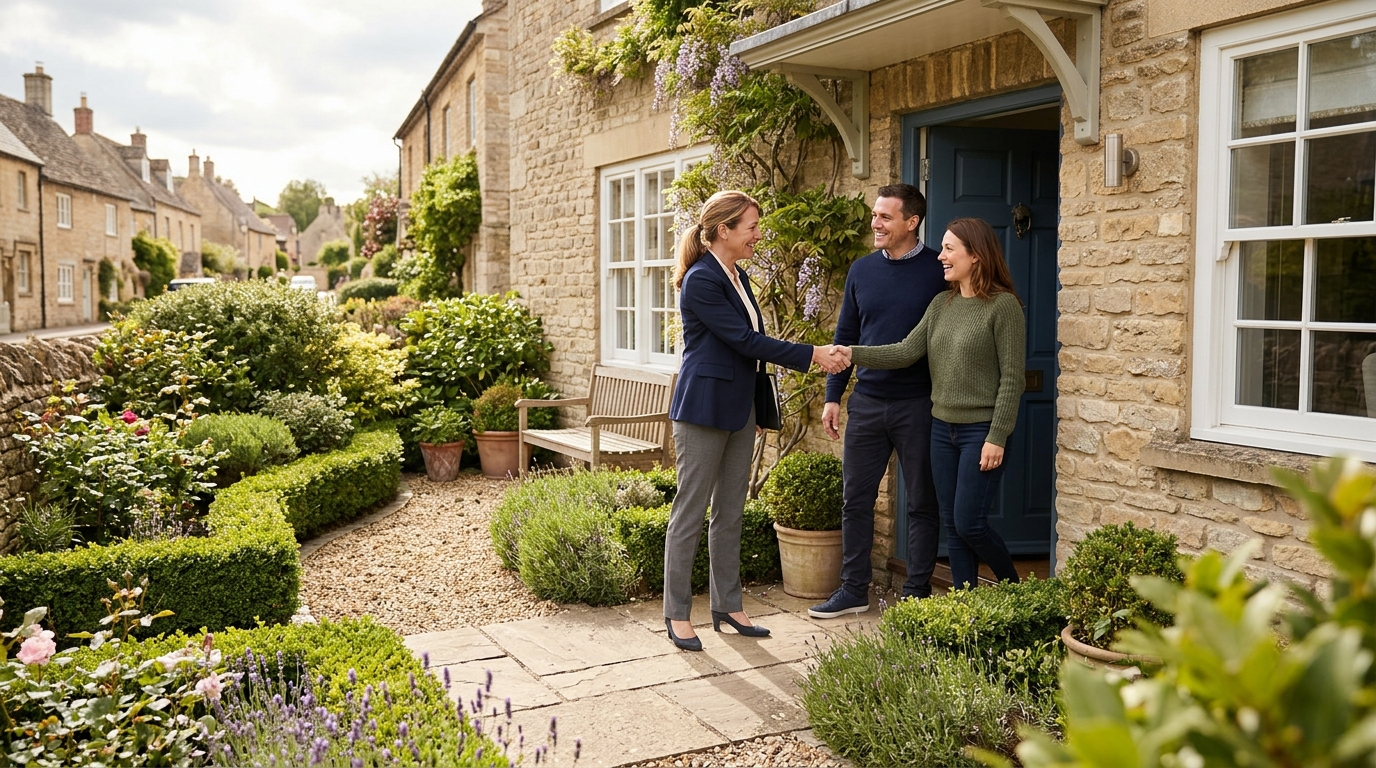

When buyers look for a home online, they make decisions in seconds. They scroll past dozens of listings every minute. Before they read your room dimensions or admire your garden description, they form an instant impression. That quick judgment determines whether they click to see more or swipe past your listing forever.
Selling a home is no longer just about putting a board in the front garden. Today, your digital doorway opens long before anyone walks up your driveway. Across Kent, homes currently take an average of 244 days on the market to move, with an average price of £851,040. In a market where buyers take their time, capturing their interest in the first thirty seconds is vital.
The Anatomy of the First Click
Buyers do not read property portals from top to bottom. Instead, they scan visually. Their eyes follow a strict order of priority. They see the lead image, check the price, glance at the location map, and look at the floorplan. Only then do they read the written details.
If the lead picture looks dull, dark, or confusing, buyers will not stop to read the rest. They assume the rest of the house matches the first image. You only get one opportunity to arrest their scrolling thumb. This initial photo is known as the hero shot, and it carries the weight of your entire marketing campaign.
Choosing the Right Hero Image
Many sellers assume the lead picture must always be the front exterior. For a handsome period home or a grand country manor, that is often true. However, it is not an absolute rule. If your home has a modest front facade but opens into an exceptional living space, lead with the best feature.
Consider what makes your property special. Is it an expansive kitchen island overlooking a walled lawn? Is it a bright room with vaulted ceilings and exposed beams? The lead image must be your strongest visual card. It needs good natural light, sharp focus, and a clean composition. Avoid gloomy skies, cars parked in the drive, or closed window blinds.
The Critical Role of the Floorplan
Once a buyer clicks your hero photo, where do they go next? Industry studies show that serious buyers look for the floorplan before they look through the full photo gallery. They want to understand the layout immediately.
A good floorplan answers questions that photos cannot. It shows how rooms connect, where natural light falls, and whether the flow works for daily life. Buyers want to know if the kitchen sits near the dining area. They check where the bedrooms sit in relation to the bathrooms. If your listing lacks a clear, detailed floorplan, many buyers simply leave the page. Always ensure your floorplan includes total square footage and room measurements.
Price Framing and Search Filters
Buyers judge your home in direct comparison to every other property in their search results. They set search bands, such as round numbers on the portals. A buyer with a budget around £850,000 will often set their search parameters up to £900,000.
When your listing appears beside competing properties, buyers judge the value instantly. If homes nearby offer larger gardens or more bedrooms at the same price, your listing will struggle. With the regional SSTC rate standing at 31%, only about three in ten listings agree a sale at any given time. Accurate pricing ensures your home looks like an attractive opportunity right from the opening search screen.
Why Order and Curation Matter
The first thirty seconds should take the viewer on a structured journey. Do not present thirty photos in random order. A jumble of exterior shots, upstairs bedrooms, and basement pictures confuses the viewer.
Start with the exterior or your strongest feature room. Move through the main living spaces on the ground floor. Show the kitchen and primary reception rooms next. Move upstairs to the principal bedroom suite, and finish with the garden. When the gallery follows a logical walk-through, buyers can picture themselves living in the space.
Keep your total image count sensible. A collection of twenty high quality images is far better than fifty mediocre ones. You do not need photos of small downstairs cloakrooms, plain hallways, or the interior of utility cupboards. Every photo should earn its place by showing space, light, or an attractive architectural detail.
Simplicity Wins the First Impression
Buyers browsing online want clarity, not clutter. Before the photographer arrives, prepare your home specifically for the camera lens. The camera exaggerates mess and makes rooms look smaller than they are.
Clear kitchen worktops completely. Put away small appliances, chopping boards, and cleaning bottles. In bathrooms, remove shampoo bottles, bathmats, and towels. Open all interior doors to create sight lines and a sense of depth. Turn on soft lamps to add warmth, even during a daytime shoot.
Remember that online buyers look at screens of all sizes, from large desktop monitors to small mobile phones. Clean, bright, and uncluttered rooms stand out far better on a small screen than rooms packed with furniture and personal items.
A Final Thought for Sellers
You cannot control the wider market, but you can control how your property presents itself to the world. In the digital age, viewings do not start at the front door. They start on a screen, often late at night, as a buyer scrolls through dozens of options.
By treating the first thirty seconds with care, you set your home apart from the competition. Invest in professional photography, demand an accurate floorplan, and choose an asking price that commands attention. When you get the opening moments right, the physical viewings will follow.