

Ninety days without a single offer feels like a long time. It is long enough to start doubting the price, the photographs, the agent, or even the house itself. But 90 days is also a useful checkpoint. It gives you enough evidence to work out what is actually going wrong, rather than guessing. In areas like Tonbridge, where homes typically take around 182 days to sell and only about 30 percent are currently under offer at any one time, three months without an offer is not unusual. It does not mean your home is unsellable. It means it is time for a proper review.
The mistake many sellers make is doing nothing and hoping the right buyer eventually turns up. The better approach is to treat 90 days as a decision point. Something needs to change, even if that change is small. Here is how to work out what.
Start with the viewing numbers, not the price
Before touching your asking price, look at how many viewings you have actually had. If you have had plenty of viewings but no offers, the problem is rarely the price. Buyers who book a viewing have usually already accepted the price as reasonable. The issue is more likely to be presentation, layout, condition, or something that puts people off once they walk through the door.
If you have had very few viewings in 90 days, the problem is different. It could be the price, the photographs, the description, or the fact that your home simply is not being seen by enough of the right buyers. Low viewing numbers point to a marketing or pricing problem. Plenty of viewings with no offers points to a property experience problem.
Ask for honest, specific feedback
Vague feedback is not useful. "They said it wasn't for them" tells you nothing you can act on. Ask your agent to push a little harder after every viewing. Was it the size of a particular room? The garden? The kitchen? The price compared with somewhere else they saw? Buyers are often more candid with an agent than they would be with a seller directly, so use that channel properly. Patterns matter more than single comments. One person disliking the bathroom is not a trend. Five people mentioning it is.
Check whether your price still matches the evidence
Pricing is not a one-off decision made on day one. It should be reviewed regularly using real evidence, not hope. Look at what has actually sold nearby, what is still on the market competing with you, and what has been reduced. If similar homes are selling and yours is not, and the feedback keeps mentioning value for money, the price is probably the honest answer, even if it is not the one you want to hear.
This does not always mean a big reduction. Sometimes a small, well-judged adjustment is enough to bring your home back into a search bracket that more buyers are looking at online. Buyers search in price bands. A property sitting just above a round number can be invisible to people filtering their search just below it.
Look again at your photographs and description
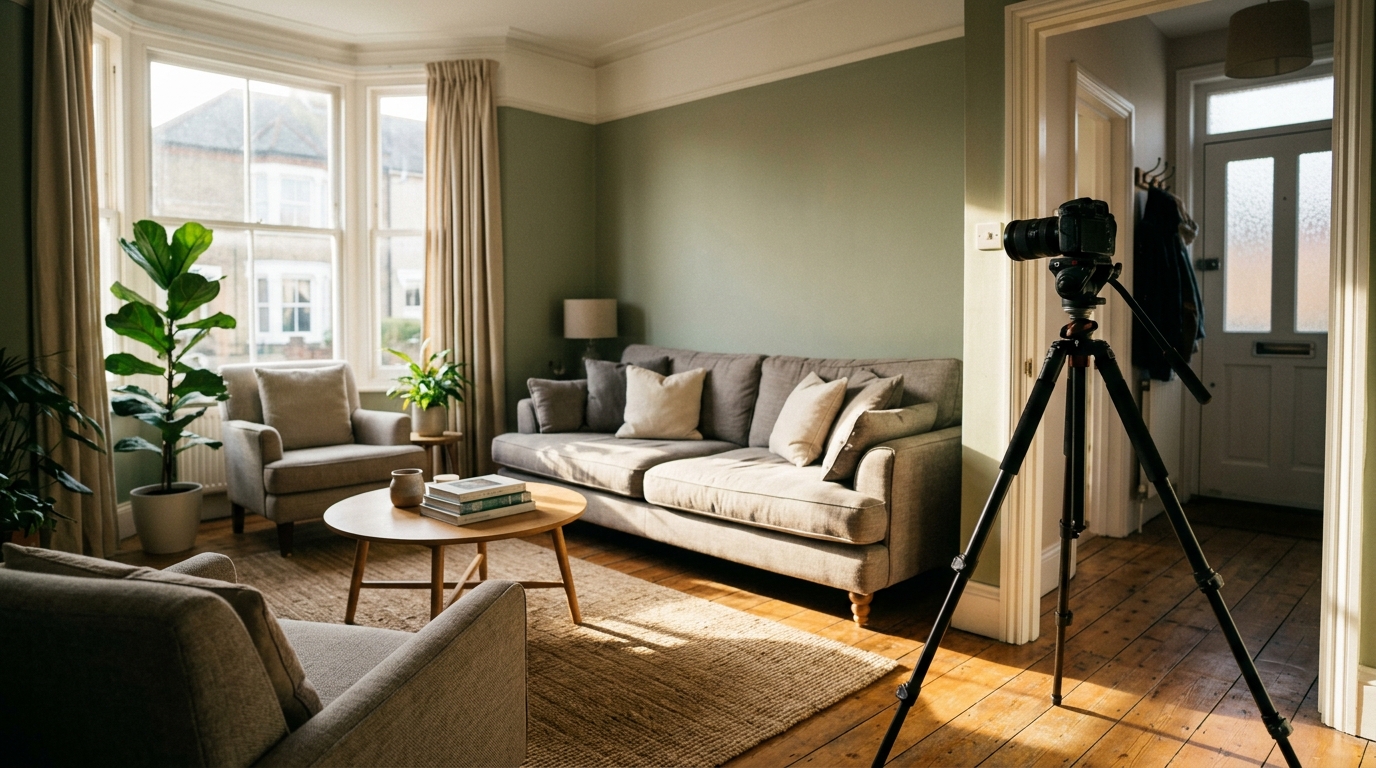
After 90 days, it is worth looking at your own listing as if you were a stranger seeing it for the first time. Do the photographs still do the house justice? Was it photographed in poor light, or before the garden was tidied, or before you decluttered a room that now looks much better? Tired listings that have been live for months can start to feel stale to regular portal browsers, even if the property itself is in great condition. A refreshed set of photographs, taken at the right time of day and after some careful tidying, can make a real difference to how the listing performs.
Have a direct conversation with your agent
By 90 days, you deserve a clear, honest conversation with your estate agent about what is working and what is not. Ask them directly: what do you think is holding this back? A good agent will give you a straight answer, even if it is uncomfortable. If the conversation feels vague or defensive, that itself is useful information.
Ask specific questions. How many people have enquired online but not booked a viewing? How does the property compare with others they are currently marketing at a similar price? What would they change if it were their own home to sell? These questions push past generic reassurance and get to the practical detail.
Consider whether the marketing has gone stale
Property portals reward fresh listings. A home that has sat unchanged for 90 days can naturally start to drop down search results and lose momentum, even without anything being wrong with it. This is where a relaunch can help. New photographs, an updated description, and in some cases a new listing date can bring a property back in front of buyers who have not seen it before, as well as those who saw it early on and have since forgotten about it.
A relaunch is not about hiding a price reduction. It works best when paired with a genuine improvement, whether that is better photography, a tidier presentation, or a price that now reflects the evidence properly.
Decide on a clear plan, not a vague hope
The worst outcome after 90 days is doing nothing and simply waiting another 90 days for the same result. Instead, set out a clear plan with your agent. This might include a price review, a re-shoot of the photographs, a fresh description, and a defined point at which you will assess progress again, for example after another four to six weeks. Having a plan turns a frustrating wait into an active process you are in control of.
Remember that timing varies by property, not just by area
An average days-on-market figure is useful context, not a promise. In a market where the average sits around 182 days, a home that has been listed for 90 days is roughly halfway through a typical journey, not necessarily behind it. This does not mean you should be complacent. It means the response should be measured rather than panicked. React to the evidence in front of you, not to a fixed number of days that feels significant but may not reflect how this particular type of property normally sells.
The bottom line
Ninety days without an offer is a signal to review, not a reason to panic. Look at viewing numbers, gather honest feedback, check your price against real evidence, refresh your photographs if they need it, and have a direct conversation with your agent about what needs to change. A clear, evidence-based plan will always serve you better than waiting quietly and hoping the next viewer is the one who says yes.