
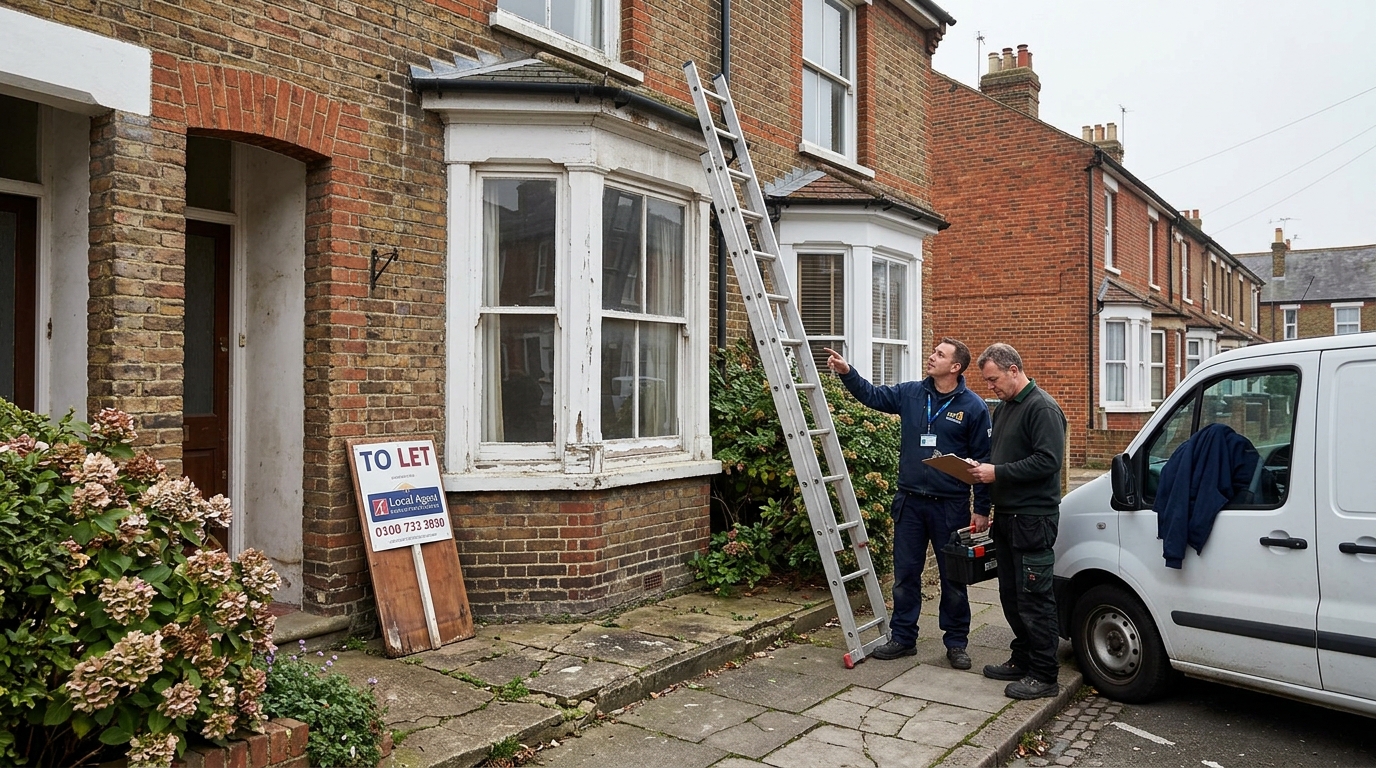

Every landlord asks themselves this question sooner or later, usually after a boiler breaks down, a tenant falls behind on rent, or a new piece of legislation lands on their desk. The honest answer is that being a landlord is still worth it for many people, but only if you treat it as a business rather than a hobby. That means understanding your real numbers, being clear about the time you are prepared to give it, and reviewing your position regularly rather than assuming what worked five years ago still works today.
Start with the true cost of ownership
Rental income looks healthy until you subtract everything that comes off it. Mortgage interest or repayments are usually the largest outgoing, but they are far from the only one. Add buildings insurance, landlord insurance, gas safety checks, electrical safety inspections, routine maintenance, and the inevitable larger repairs such as a new boiler or roof work. Factor in letting agent fees if you use one, whether that is a let-only fee or a fully managed percentage of rent. Then add the cost of compliance, including energy performance certificates, deposit protection, and any licensing fees if your property falls within a selective or additional licensing scheme in your local Kent authority.
Once you have listed every cost, work out your net income, not your gross rent. A property that brings in a healthy monthly rent can still be a poor investment once repairs, agent fees and void periods are stripped out. This is the calculation that matters, not the headline rent figure.
Void periods and arrears erode returns quietly
Two things damage landlord returns more than almost anything else: empty months and unpaid rent. A property sitting vacant for even four to six weeks between tenancies can wipe out a significant chunk of annual profit, especially on properties with tighter margins. The best defence against void periods is preparation. Start marketing before the current tenancy ends, keep the property in good, viewable condition throughout the tenancy, and price it realistically from day one rather than testing the market with an optimistic figure and reducing it later.
Arrears are a different problem and need a different response. Screen tenants properly at the outset with references, right to rent checks and affordability checks. If arrears do occur, address them early and directly rather than letting the situation drift. Clear communication, a written record of every conversation, and a fair but firm approach usually resolves matters faster than an aggressive one.
Yield is useful, but it is not the whole picture
Gross yield, the annual rent divided by the property value, is a quick way to compare properties, but it tells you nothing about costs, condition, or tenant demand in a specific type of property. Net yield, which factors in running costs, gives a more honest picture. Even net yield does not capture capital growth, which in many parts of Kent has historically been a meaningful part of overall returns thanks to commuter links into London and ongoing demand in market towns and coastal areas. When you weigh up whether a rental is working for you, look at total return, income plus capital growth, minus costs, rather than yield in isolation.
The regulatory workload is real and growing
Being a landlord today involves more paperwork and more legal obligation than it did a decade ago. You are responsible for gas safety certificates renewed annually, electrical installation condition reports renewed every five years, smoke and carbon monoxide alarms fitted and tested, deposit protection within the legal timeframe, and providing tenants with the correct prescribed information at the start of a tenancy. You also need to keep the property free of category one hazards under the Housing Health and Safety Rating System, and ensure any furniture supplied meets fire safety regulations.
None of this is optional, and getting it wrong can be costly, both in fines and in your ability to recover possession of your property if a dispute arises. If you find this side of the job overwhelming, that is not a sign you should give up on letting altogether, but it is a strong signal that a managing agent might be worth the fee. A good agent absorbs the compliance burden, keeps records in order, and reduces the chance of an expensive mistake.
Weigh your time against your return
Self-managing a property can improve your net return by saving on agent fees, but only if your time has no value to you. For landlords with one property and a flexible schedule, self-management can work well. For landlords with several properties, a full-time job, or a family, the hours spent chasing repairs, handling viewings and answering tenant calls at short notice often outweigh the money saved. Be honest with yourself about which category you fall into. Many landlords who tried self-management for a few years move to a managed service once they see how much of their evenings and weekends it was consuming.
Know your exit options before you need them
Being a landlord does not have to be a lifetime commitment to a single property. If a property is underperforming after a fair assessment of income, costs and growth, you have options. You can remortgage to release equity for a better-performing purchase elsewhere. You can sell with a sitting tenant in place, which can appeal to other investors and avoids the void period of an empty property. You can also consider whether holding the property within a limited company structure would suit your tax position better than personal ownership, particularly if you plan to expand your portfolio. Speak to an accountant before making structural changes, since the right answer depends heavily on your individual circumstances and current tax rules.
The honest verdict
Being a landlord in Kent, or anywhere else, is still worth it for people who run it properly. That means calculating real net income rather than headline rent, minimising void periods through proactive marketing, staying on top of arrears before they grow, keeping compliance paperwork current, and being realistic about how much of the workload you want to carry yourself. It is not worth it for landlords who bought a property years ago, have never reviewed the numbers since, and are relying on rent simply covering the mortgage without accounting for repairs, compliance costs or their own time.
If you take one thing from this guide, let it be this: review your rental property at least once a year as if you were considering buying it today. Look at the rent it achieves against current market levels, the costs it carries, the condition it is in, and the time it demands from you. If it still stacks up, carry on with confidence. If it does not, you now have the information to make a considered decision rather than an emotional one.