

Every seller asks the same question at some point. How long should my house take to sell? There is no single answer, but there are clear signs that tell you whether your sale is on track or drifting.
In Tonbridge and the surrounding area, homes typically spend around 182 days on the market before they are sold subject to contract. Roughly 30 percent of listings reach that stage at any given time. These figures are useful because they set a realistic benchmark. If your home is moving faster than this, you are in a strong position. If it is moving much slower, it is worth understanding why.
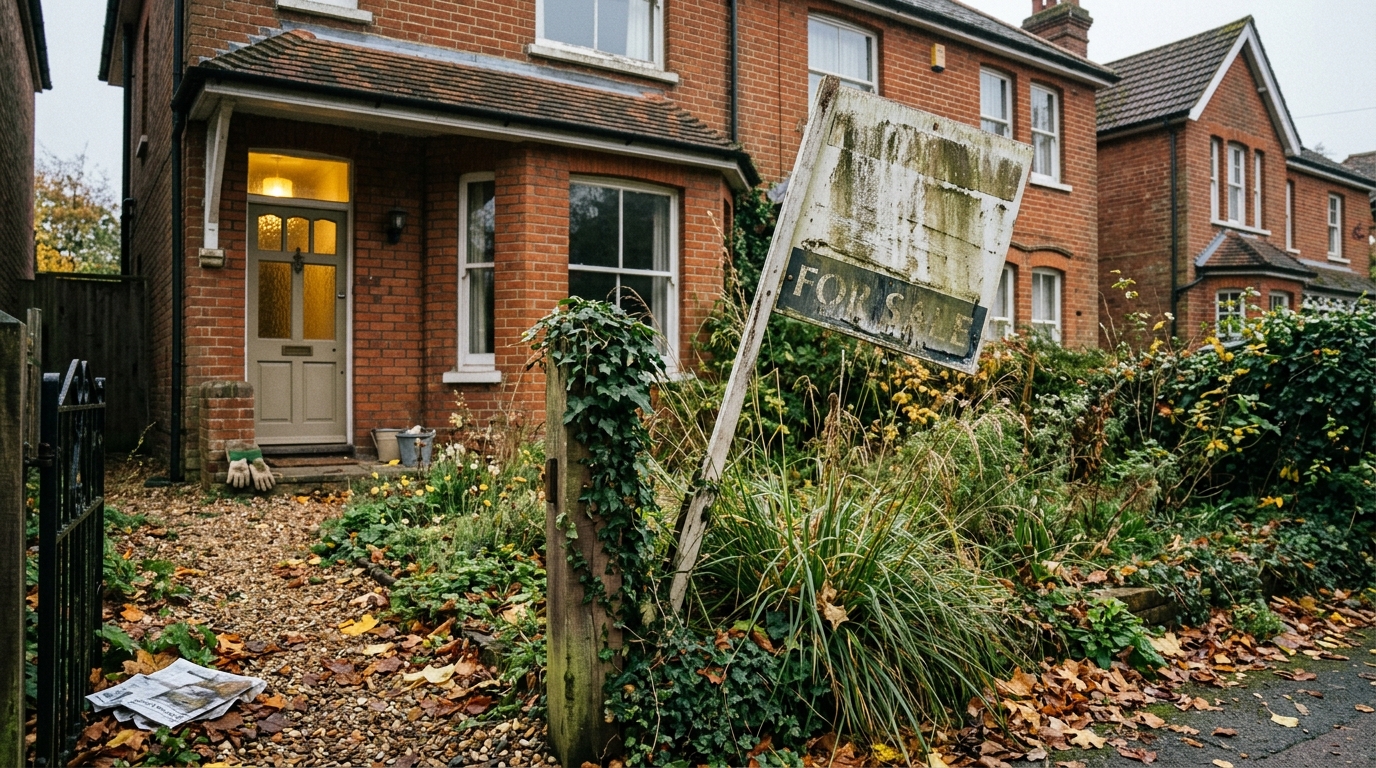
Why time on the market matters Buyers notice how long a property has been listed. Property portals often show this information directly, and even when they do not, buyers can often guess from the number of price changes or the tone of the listing. A home that has been available for months can start to look like it has something wrong with it, even if the truth is simply that the price was set too high at the start.
This creates a problem. The longer a home sits unsold, the more buyers assume there is a reason, and the harder it becomes to achieve the original asking price. Time on the market is not just a wait. It actively shapes how buyers judge the property.
The first 30 days: the most important window The opening weeks of any listing matter most. This is when interest is at its highest, when the property is freshest to portal algorithms, and when the widest pool of active buyers will see it. If a home fails to attract meaningful interest in this period, it is rarely because buyers are not out there. It is usually because the price, the photography, or the description is not matching what buyers expect at that price point.
If you reach the 30 day mark with few viewings and no offers, this is the moment to have an honest conversation with your agent. Ask what feedback has come in, how many people have viewed the listing online, and how that compares with similar properties. Do not wait for the market to fix itself.
60 days: time to look closer By 60 days, patterns become clearer. If you have had viewings but no offers, the issue is usually presentation or price, not lack of interest. If you have had few viewings at all, the issue is more likely to be visibility. This means the listing itself, the photographs, the description, or how the price compares with similar homes nearby.
This is a sensible point to review your marketing rather than simply waiting. Fresh photographs, a rewritten description, or a small price adjustment can restart interest without signalling desperation. Given that the average time on market locally is around 182 days, reaching 60 days does not mean something has gone wrong. It means it is time to check the details are working as hard as they should.
90 days: a decision point At 90 days, it is worth stepping back and asking three questions. Is the price right for what buyers are actually paying for similar homes? Is the presentation showing the property at its best? Is the agent actively marketing it, not just listing it and waiting?
If the answer to any of these is no, this is the moment to act, not the moment to wait another month hoping things improve on their own. A property that has been quietly sitting without changes for three months often needs a genuine reset, not another small tweak.
What counts as too long Given that homes in this area average 182 days on the market, a property that has been listed for four or five months is not unusual and should not automatically cause concern. What matters more than the raw number of days is the trend. Are viewings still coming in? Is feedback positive? Has interest simply gone quiet?
A home that had steady viewings early on and then goes silent for weeks is a different situation to one that never generated much interest at all. The first suggests the price may now be slightly high for the current level of interest. The second suggests something more fundamental needs attention, whether that is photography, description, or how the property is being positioned against its competition.
With around 30 percent of homes reaching sold subject to contract at any point, it is clear that a majority of listings are still working through this process patiently. Long time on market is common. It is not automatically a red flag. But it is a signal that deserves attention rather than being ignored.
What to do if your home has been listed too long Start with data, not guesswork. Ask your agent for hard numbers. How many people have viewed the online listing? How many of those turned into enquiries? How many enquiries turned into viewings? Where the process breaks down tells you exactly what needs fixing.
If viewings are strong but offers are not coming, the issue is almost always price or presentation, not marketing reach. If viewings themselves are weak, the issue is usually visibility, meaning the listing is not standing out among competing properties online.
Sometimes the right move is a price adjustment. Sometimes it is new photography, a different hero image, or a rewritten description that speaks to lifestyle rather than just listing rooms. Occasionally it means having a frank conversation about whether the current agent is doing everything they should.
The takeaway Time on the market is not something to fear, but it is something to manage actively. Knowing the local average, in this case around 182 days, gives you a realistic frame of reference rather than an arbitrary worry. Use the 30, 60 and 90 day marks as natural checkpoints to review progress, ask questions, and make changes where needed.
A home that sells in three months and a home that sells in six months can both represent a good outcome, provided the seller understood what was happening at each stage and made informed decisions along the way. The goal is never simply speed. It is making sure that however long the process takes, it is working in your favour, not against you.