
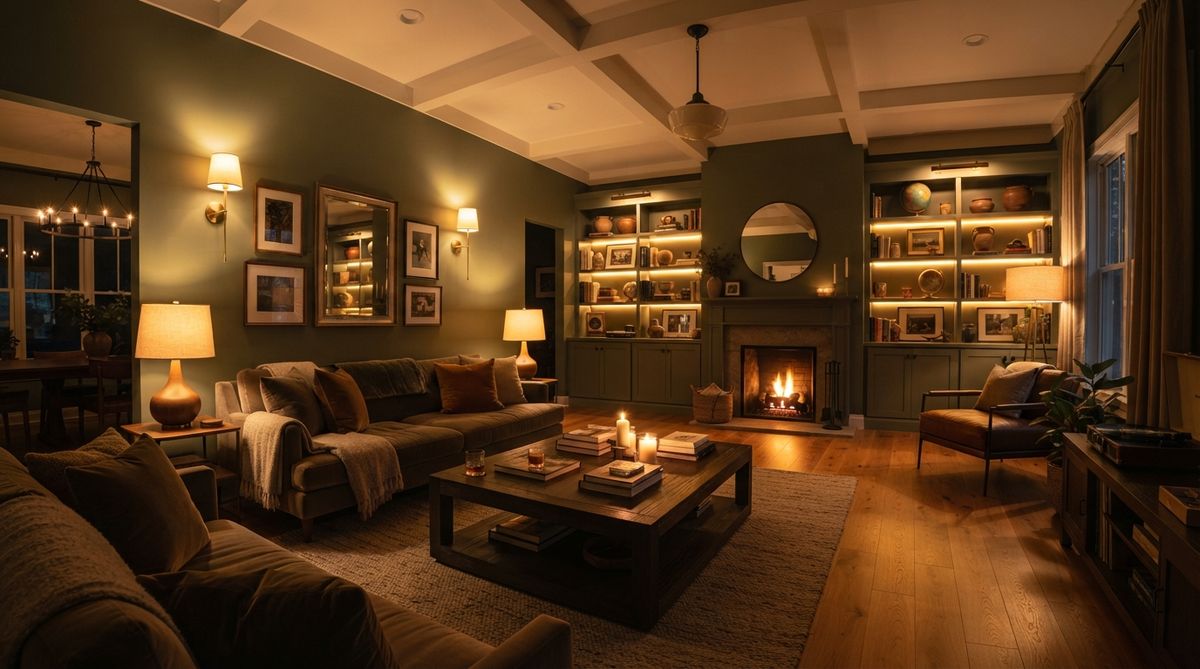

After two decades selling properties across Tonbridge, Kent and surrounding villages like Hildenborough and Shipbourne, I have learned that the devil is always in the details. Sellers often spend thousands on bespoke kitchens or new bathrooms, yet they entirely neglect lighting, which is the invisible thread that ties a room together and dictates how a buyer feels the moment they cross the threshold of your property.
When natural and artificial illumination work in harmony, spaces feel larger, cleaner, and deeply inviting. Conversely, poor lighting can make even a well maintained Victorian terrace near Tonbridge Castle feel cramped, dark, and uninspired. Understanding how to harness light is one of the most cost effective ways to elevate your property value and secure a prompt offer in any market condition.
The Psychology of First Impressions and Buyer Emotion
Human psychology plays an enormous role in property viewings, and lighting acts as an immediate emotional trigger. When potential buyers walk through your front door, their brains make subconscious judgments within the first ninety seconds, and light levels dictate whether they feel relaxed or guarded. Dark hallways and dim living rooms trigger feelings of confinement, whereas bright, balanced spaces release dopamine and foster a genuinely welcoming atmosphere from the very start.
During winter viewings in Tonbridge, when daylight fades by four o'clock, this psychological impact becomes even more pronounced. Properties that rely on a single central pendant bulb often feel sterile and unloved. By layering your lighting sources, you create pools of warmth that guide the eye naturally around the room, making viewers linger longer and examine the finer details of your interior joinery and flooring without feeling rushed.
Industry surveys indicate that homes presented with optimal lighting can achieve up to a seven percent increase in perceived value during viewings. Buyers are not just purchasing square footage; they are buying a lifestyle and a feeling of sanctuary. When you master the psychological aspect of illumination, you help buyers visualise their family living happily in the space before the agent has even finished the guided tour of the property.
Decoding Colour Temperature and Bulb Selection
One of the most common mistakes homeowners make is mixing erratic colour temperatures throughout the house, which creates a disjointed and jarring visual experience. Colour temperature is measured in Kelvin on a scale from warm to cool, and getting this right is essential for creating interior cohesion. For most residential properties in Kent, particularly character homes with timber beams and period features, a warm white range between 2700 and 3000 Kelvin works best.
Cooler temperatures above 4000 Kelvin should generally be avoided in living areas because they produce a clinical, office like glare that strips warmth from heritage brickwork and plaster. However, utility rooms, modern kitchens, and bathrooms benefit from crisp, clean lighting that mimics natural daylight, helping you perform daily tasks with absolute ease. Consistency is key, so try to standardise bulb temperatures within open plan spaces to prevent any visual confusion for prospective buyers.
Upgrading your entire house to energy efficient LED bulbs with the correct Kelvin rating typically costs between 150 and 300 pounds depending on the size of the property. This small investment pays dividends when estate agents take promotional photographs for marketing portals. Cameras capture colour temperature discrepancies very clearly, and uniform lighting ensures your online imagery looks professional, polished, and ready to attract serious offers.
The Power of Layered Lighting in Living Spaces
Relying on a single overhead light source is the cardinal sin of interior presentation. Successful lighting design relies on three distinct layers: ambient, task, and accent illumination. Ambient lighting provides overall brightness, task lighting focuses on specific workspaces like kitchen islands or reading nooks, and accent lighting highlights architectural features, artwork, or bookshelves, adding depth and dimension to every single room.
In a typical Tonbridge living room, you should combine dimmable ceiling spotlights with strategically placed floor lamps, wall sconces, and table lamps at varying heights. This multi-tiered approach allows you to adapt the room mood depending on the time of day and the weather outside. A dark corner that previously felt neglected can be completely transformed by adding a simple uplighter behind a tall houseplant, drawing the eye upwards and creating height.
When buyers tour a property, they instinctively appreciate flexibility. Being able to demonstrate that a room can transition from a bright, energetic family hub during the day to a cosy, intimate evening retreat is a powerful selling point. It shows that the home has been thoughtfully designed to accommodate every aspect of modern daily life without compromise, giving buyers confidence in their investment.
Maximising Natural Daylight in Every Room
Artificial lighting is crucial, but nothing rivals the appeal of abundant natural light streaming through clean windows. Before any photography session or open house event, carry out a thorough audit of your window treatments. Heavy velvet drapes and dark, patterned curtains can block up to forty percent of incoming daylight, making rooms feel significantly smaller than their actual dimensions and dampening the overall buyer mood.
Swap heavy window dressings for sheer linen voiles or lightweight roman blinds that allow sunlight to flood the interior while maintaining privacy from the street. Furthermore, strategically positioning large mirrors opposite windows will bounce natural light deep into darker hallways or galley kitchens, creating an immediate sense of openness and airiness that buyers adore. Light reflection is a powerful design tool that costs very little to implement effectively.
Clean your windows inside and out, as a surprising amount of grime accumulates over the winter months, cutting down light transmission by up to fifteen percent. Trimming back overgrown hedges or climbing plants that obscure your window frames will also yield dramatic results, ensuring your property looks bright, cared for, and seamlessly connected to the surrounding Kent landscape during every single viewing.
Illuminating Kitchens and Bathrooms for High-End Appeal
Kitchens and bathrooms sell homes, and lighting plays a starring role in both spaces. In the kitchen, under-cabinet LED strip lighting is no longer just a luxury feature; it is an absolute expectation for discerning buyers. It eliminates shadows on worktops, highlights splashback tiling, and adds a sleek, contemporary edge that elevates standard cabinetry into something truly memorable and luxurious.
Pendant lights suspended over a kitchen island act as a focal point, drawing the eye and defining the dining or food preparation zone. Ensure these pendants are hung at the correct height, typically around seventy five to eighty centimetres above the surface, and always connect them to a dimmer switch so you can soften the ambience during evening dinner parties or quiet family meals.
In bathrooms, avoid harsh overhead spotlights that cast unflattering shadows under the eyes in the mirror. Instead, install wall mounted sconces on either side of the vanity mirror for even, flattering illumination. Adding warm LED strip lighting beneath floating vanities or around the perimeter of a bathtub creates a luxurious spa-like atmosphere that resonates strongly with buyers looking for personal relaxation and self care space.
Kerb Appeal and the Importance of Exterior Illumination
Many sellers focus entirely on interior spaces and completely forget about exterior lighting, yet first impressions begin right at the pavement. If you are hosting evening viewings or if your property features prominently on online portals with twilight photography, exterior lighting is essential for showcasing your home exterior architecture and garden landscaping to its absolute fullest potential.
Ensure your front pathway is safely and attractively lit with low level bollard lights or subtle step lighting. Illuminating your front door with stylish wall lanterns draws the eye and signals that the home is secure, welcoming, and well maintained. Replacing dated, rusty exterior fixtures with modern brushed metal or matte black alternatives takes less than an hour and costs around fifty pounds per fitting.
For properties with larger gardens, such as detached houses in villages around Tonbridge, uplighting mature trees or architectural shrubs creates depth and extends the usable living space visually into the outdoors. Buyers love to imagine sitting on the patio on a warm summer evening, and proper garden lighting helps sell that lifestyle dream regardless of the season in which they happen to view the property.
Integrating Smart Lighting for Modern Convenience
Technology has transformed domestic lighting, and installing a smart lighting system can be a fantastic selling point for tech-savvy buyers. Systems like Philips Hue or integrated smart switches allow homeowners to control brightness, colour, and scheduling via smartphone applications or voice commands, adding a layer of futuristic convenience that appeals heavily to younger professionals and families moving into the area.
During a viewing, having a smart lighting setup allows the estate agent to preset lighting scenes tailored specifically to different times of day, ensuring the property always looks its absolute best. You can program a welcoming entrance scene, a vibrant cooking scene, and a relaxed evening scene, all activated by a single button press or motion sensor without fumbling for wall switches.
While upgrading to a fully integrated smart system can cost anywhere from four hundred to fifteen hundred pounds, smart bulbs and wireless dimmer switches offer a budget friendly alternative starting at around one hundred pounds. Buyers appreciate modern touches that reduce energy consumption and simplify daily routines, making your property stand out in a competitive local housing market.
A Practical Checklist for Photography and Viewings
Preparing your lighting for estate agency photography requires a different approach than preparing for live viewings. When the photographer visits, every single light in the house should be switched on, including bedside lamps, cooker hood lights, and wardrobe accents, to balance exposure and eliminate dark corners. This fills the camera lens with bright, welcoming tones that look stunning on major property portals like Rightmove and Zoopla.
For live viewings, however, you want a more natural and lived-in feel. Turn off harsh overhead ceiling lights in living areas, and rely instead on lamps and dimmers to create a cosy, atmospheric glow. Check every bulb a week before your viewings begin, replacing any blown or flickering bulbs immediately to ensure nothing distracts the buyer from admiring your property features and interior styling.
Finally, make sure light switches and sockets are clean, dust-free, and in good working order. Buyers notice discoloured plastic faceplates, and upgrading them to brushed chrome or polished brass fittings costs very little while projecting an image of thoroughness, quality, and meticulous maintenance throughout the entire home from top to bottom.
For tailored advice on presenting your home, including lighting, get in touch with our team to arrange a pre-market consultation.