
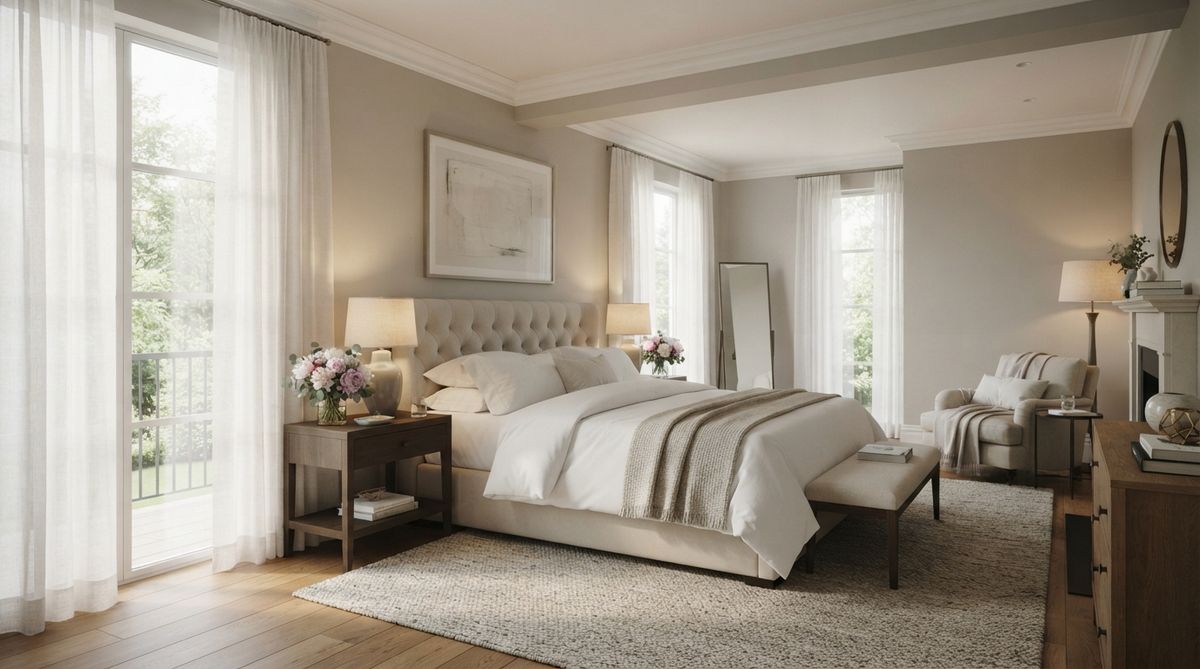

Selling a home in Tonbridge or the surrounding Kent countryside is an exciting milestone and a strategic financial transaction. Over my two decades as an estate agent working across this wonderful corner of the county, I have walked through hundreds of properties ranging from Victorian terraces near the station to modern executive builds out towards Shipbourne. Time and time again, I see homeowners assume that massive, expensive renovations are required to secure top market value. In reality, some of the most profitable changes involve modest budgets, strategic effort, and a clear understanding of what local buyers want.
Home staging is not about spending thousands on designer furniture or gutting living spaces. It is about accentuating your property's best assets, eliminating friction points, and creating an emotional connection that translates into competitive offers. Let us look at practical staging strategies that genuinely add value to your property without breaking the bank.
Kerb Appeal and the First Ten Seconds
When prospective buyers pull up outside your Tonbridge property, judgment begins immediately, often long before they step out of their car. First impressions are powerful, and psychological studies show that buyers make up their minds within the first ten seconds of arrival. Investing a small weekend budget of one hundred to two hundred pounds into your front garden yields returns that far exceed your outlay. Start by pressure washing your driveway, pathways, and front step to remove winter grime, moss, and staining. A clean exterior signals to buyers that the entire house has been meticulously maintained over the years.
Next, look closely at your front door, which serves as the threshold of your home. If the paint is peeling or faded, take a Saturday morning to sand it down and apply a fresh coat in a classic colour such as deep navy, slate grey, or traditional forest green. Polishing your door furniture, installing a bright new coir doormat, and placing potted box hedging plants on either side of the entrance creates an instant sense of arrival. Small details like ensuring your house numbers are clearly visible make the property feel secure from the first glance.
The Power of Neutral Decoration
One of the most common questions I receive from sellers is whether they really need to repaint their entire house before marketing. While a blank canvas might feel slightly sterile to you, it is precisely what the modern buyer desires. Bold feature walls, bright neon kitchens, or highly personalised murals can be massive visual distractions during a viewing. When a buyer sees a room painted in dark red or intense purple, their brain calculates the cost, time, and effort required to paint over it. By neutralizing your colour palette before marketing begins, you remove that mental friction and allow buyers to picture their own belongings.
Achieving this does not require hiring professional decorators for every room. Focus your attention on high traffic areas such as the hallway, living room, and master bedroom. Opt for warm, versatile neutral tones like off white, pale stone, or soft greige, which create an immediate sense of light and space. These shades reflect natural sunlight far more effectively than darker hues, making rooms appear larger. A tin of trade quality emulsion costs around forty pounds, and spending a few evenings with a roller can easily add thousands to your final selling price.
Lighting and Ambience Strategies
Dark, shadowy rooms instantly feel smaller and less appealing, yet many sellers make the mistake of relying solely on harsh overhead pendant lights during viewings. Lighting is one of the most effective psychological tools at your disposal when staging a home. Start by stripping away heavy, dark curtains that block natural daylight and replacing them with sheer, lightweight alternatives or simple Roman blinds. Ensure all windows are thoroughly cleaned inside and out, as sparkling glass lets in significantly more light and makes the connection between your indoor living space and your garden feel seamless and expansive.
To create a warm and welcoming ambience during viewings, introduce layered lighting schemes across your main reception rooms. Combine table lamps, floor lamps, and wall sconces to create pools of soft light that highlight architectural features. Make sure every single light bulb is working and that all bulbs in a single room have the same colour temperature, preferably a warm white around 2700k. Avoid cold blue or harsh white daylight bulbs, as they make residential spaces feel clinical. For evening viewings, turning on a selection of lamps transforms the mood entirely.
Decluttering and Depersonalising for Space
Buyers are not just purchasing your physical property; they are purchasing square footage and potential lifestyle space. If your rooms are filled with excessive furniture, overflowing bookshelves, and mountains of family paraphernalia, buyers will struggle to gauge actual room sizes. Decluttering is entirely free if you are willing to put in physical labour, and it yields one of the highest returns on investment in the entire staging process. Start by packing away half of the items currently sitting on your surfaces, sideboards, and wardrobes, boxing them up and putting them into temporary storage or neatly stacking them in the garage.
Depersonalising is the natural next step of this decluttering exercise. While your family photographs, children's artwork, and holiday souvenirs are deeply meaningful to you, they can be a distraction for prospective buyers. When a house is covered in personal memorabilia, buyers find it harder to mentally project themselves into the space because they feel like they are intruding in someone else's private domain. Remove personal photographs, religious items, and niche collections, replacing them with neutral art prints or elegant mirrors that bounce light around the room and create an illusion of greater depth.
Kitchen and Bathroom Refresh Techniques
Kitchens and bathrooms sell houses, but undertaking a complete renovation of either room can easily cost ten to twenty thousand pounds or more, and you rarely recoup that exact expenditure upon selling. Instead of a costly gut renovation, focus on strategic cosmetic refreshes that deliver maximum visual impact for minimal outlay. If your kitchen cabinets are structurally sound but look dated, do not replace them. Sand them down and repaint them in a contemporary shade like sage green, navy blue, or classic white. Swap out old, worn wooden or brass handles for sleek modern brushed nickel or matt black hardware to instantly modernise the space.
Similarly, updating your worktops if they are badly stained or damaged can be achieved affordably with modern laminate alternatives that mimic wood or composite stone. If your existing worktops are in decent condition, simply clear them off completely. Keep only a high end coffee machine or a sleek wooden board with a cookbook on display, ensuring countertops look expansive and ready for culinary use. Upgrading your kitchen tap to a modern mixer model is another inexpensive change that catches the eye of discerning buyers immediately during a kitchen tour.
Flooring and Surface Transformations
Flooring is one of the first things a buyer notices when entering a room, and worn out carpets or scratched laminate can instantly lower valuation expectations. If your carpets are heavily stained, frayed, or retain lingering pet odours, replacing them is essential. You do not need to install top of the range wool carpet in every room. A neutral, hard wearing heather grey or beige Berber carpet can be sourced and fitted relatively cheaply, instantly making the whole house feel clean and updated. If you have original floorboards hidden beneath old carpets, consider sanding and sealing them for a trendy, characterful finish.
For hard flooring areas like hallways and kitchens, a thorough professional deep clean can work wonders. If tiles are chipped or cracked, replace the damaged units rather than ignoring them, as broken flooring suggests deferred maintenance throughout the property. Rugs can also be used strategically to define zones within open plan living spaces or to cover up minor surface blemishes while adding texture and warmth. Ensure rugs are proportionate to room sizes, as tiny rugs make spaces feel fragmented and awkward.
Strategic Furniture Placement and Flow
Many homeowners arrange their furniture to suit their own lifestyle and family habits, which does not always translate well to showcasing a property's maximum potential. When staging for sale, your furniture arrangement should prioritise traffic flow, room scale, and focal points. Remove any oversized or bulky furniture pieces that block walkways or make rooms feel cramped. If a bedroom currently houses a massive super king bed alongside two large wardrobes and a chest of drawers, consider swapping it for a standard double bed to demonstrate how much floor space the room genuinely offers.
Arrange your living room seating to encourage conversation and highlight natural focal points, such as a fireplace, a large window overlooking the garden, or a designated entertainment area. Avoid pushing all your sofas flush against the walls, which can actually make a room feel uncomfortably cavernous and disconnected. Instead, float furniture slightly away from the walls in larger rooms to create intimate seating zones. Make sure pathways between rooms are completely unobstructed so that viewings can flow naturally from the hallway through to the kitchen and garden without bottlenecks.
Professional Photography Preparation
In today's digital property market, your home's online listing is effectively your storefront. Most buyers in Tonbridge will scroll through Rightmove or Zoopla on their smartphones late at night, making snap decisions on whether to book a viewing based entirely on photography. Even if your home is beautifully staged in person, poor lighting, untidy angles, or visible clutter in marketing photographs will kill interest before viewings can even be booked. Before the professional photographer arrives, conduct a final sweep to ensure every room is photograph ready.
Walk through each room with a critical eye, removing phone chargers from sockets, hiding television remotes, closing toilet lids, and taking all magnets and papers off the refrigerator door. Fluff up sofa cushions, straighten bed throws, and remove all toiletries from bathroom shower trays. Turn on every single lamp and overhead light in the house, even during daytime shoots, to create a bright, warm, and inviting glow across all the images. Open all interior doors fully to create a sense of depth and connectivity between rooms that translates brilliantly through a camera lens.
For personalised staging advice tailored to your property, get in touch with our team. We offer pre-market consultations to help you maximise your home's appeal.