

Selling your home is widely recognised as one of life's most stressful milestones, yet many homeowners unwittingly sabotage their own success before the board even goes up. Over two decades working as an estate agent across Tonbridge and the surrounding Kent countryside, I have seen every possible scenario play out. From immaculate period properties in the historic heart of town to charming houses near Haysden Country Park, the difference between a smooth sale and a frustrating ordeal often comes down to avoiding a few common pitfalls.
Whether you are taking your first step onto the property ladder or downsizing from a family home you have cherished for decades, the moving process demands careful planning. By learning from the experiences of others, you can protect your financial investment and secure the best possible buyer without unnecessary delays. Read on to discover the ten most frequent mistakes home sellers make and, crucially, how you can avoid them entirely.
1. Overpricing Your Property Right Out of the Gate
One of the most damaging mistakes a seller can make is setting an unrealistic asking price simply to test the market or leave room for negotiation. In a competitive property market like Tonbridge, savvy buyers research local sold prices meticulously online before booking a viewing. When a house is overpriced by as little as 5 to 10 percent from day one, it fails to attract serious interest during the critical initial launch window when buyer enthusiasm peaks.
Properties lingering on portals for months often become stale, forcing the seller to implement painful price reductions. Buyers naturally assume something is wrong with a home that has not sold, leading to lowball offers. To avoid this trap, obtain realistic valuations from multiple reputable local agents who can demonstrate recent comparable sales on roads similar to yours, such as Quarry Hill or Shipbourne Road.
Pricing accurately from the outset creates healthy competition among prospective buyers. Multiple interested parties can drive the final sale price up organically, sometimes resulting in sealed bids exceeding your expectations. Remember that an agent telling you what you want to hear rather than market reality is doing you a massive disservice.
2. Neglecting Kerb Appeal and Exterior First Impressions
Human psychology dictates that people form opinions within seconds, and property viewings are no exception. Many sellers invest thousands updating their kitchen while ignoring peeling front door paint or overflowing gutters. If the exterior of your Tonbridge property looks neglected, buyers immediately worry about hidden structural issues lurking inside.
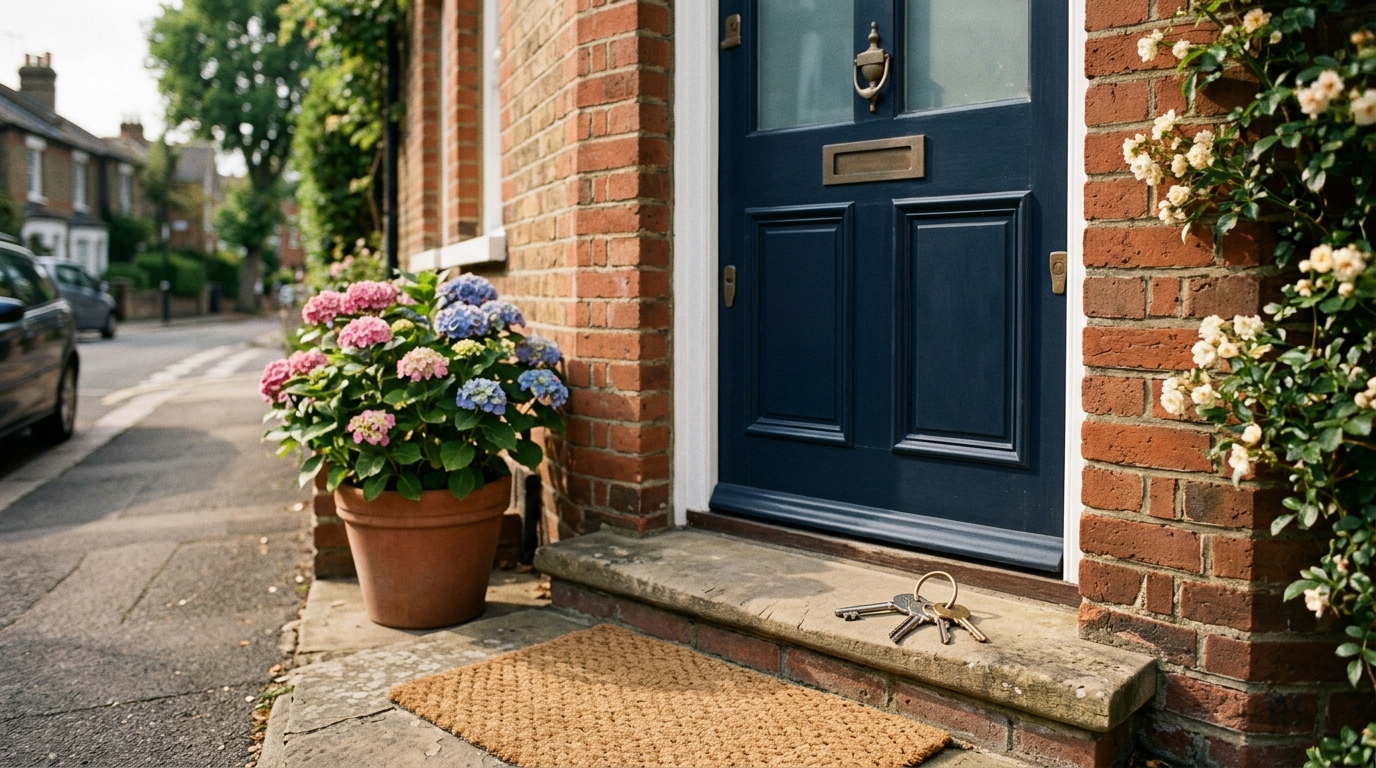
Improving kerb appeal does not require a massive budget. Simple weekend tasks like pressure washing the driveway, weeding flower beds, planting seasonal pots, and clearing bins transform a buyer's initial perception. Cleaning windows and ensuring your house number is visible sets a welcoming tone before the front door opens.
First impressions extend to the immediate neighbourhood as buyers arrive. Whether you live near the High Street or closer to quieter residential pockets near Trench Road, make sure your approach feels inviting. A cared-for exterior signals that the home has been maintained with equal care throughout your ownership.
3. Choosing the Wrong Agent Solely on Fee
When interviewing estate agents, it is natural to look at the commission percentage. However, selecting an agent simply because they charge the lowest rate is a classic false economy. Cut-price operators often carry bloated caseloads, meaning your property gets treated like a mere commodity rather than a unique asset.
An exceptional local agent brings an active database of pre-qualified buyers looking in Tonbridge and villages like Hildenborough and Hadlow. They understand local nuances, from school catchment areas for grammar schools to commuter logistics near the mainline station. Their negotiation skills and marketing reach are worth every penny of a standard commission.
Before appointing an agency, ask probing questions about their marketing strategy and average days on market. Look for professionals who demonstrate genuine passion for your home and articulate a clear plan. Your agent is your primary advocate, so finding someone you trust is paramount.
4. Failing to Declutter, Deep Clean, and Depersonalise
We all accumulate clutter over the years, but what feels cosy to you can look cramped to a prospective buyer. When people tour a house, they try to visualise their own furniture and future lives within those walls. If shelves are crammed with family photographs and heavy ornaments, buyers struggle to see spatial potential.
Begin the decluttering process months before listing by packing away non-essential items or renting a storage unit. Aim for a minimalist aesthetic where every room feels light and purposeful. Clear kitchen countertops and ensure wardrobes are half full to create the illusion of abundant storage space, a top priority for modern buyers.
Professional deep cleaning is crucial before photography and viewings. Pay special attention to limescale in bathrooms, grease on extractor hoods, and pet odours. Spending a solid weekend scrubbing skirting boards will pay massive dividends when your property photographs are published online.
5. Ignoring Minor Repairs and DIY Snagging
Leaving minor household repairs unfinished gives buyers an immediate excuse to lower their offer. A dripping tap, cracked floor tile, or missing scotia trim might seem trivial after living with it for years. To a buyer holding a surveyor's report, however, every small defect is magnified as evidence of general deferred maintenance.
Take a systematic walk through your house and tackle those nagging DIY jobs. Re-seal tired silicone around the bathtub, touch up scuffed paintwork, replace blown lightbulbs, and oil squeaky hinges. These inexpensive fixes send a powerful psychological message that the property is completely turnkey ready.
If there are larger structural concerns, address them proactively before marketing begins. Some sellers commission a pre-sale survey so they can fix problems or adjust their asking price transparently. Proactive transparency builds immediate trust with buyers and eliminates nasty surprises during conveyancing.
6. Resisting Flexible Viewings and Poor Accessibility
Selling your home requires a temporary sacrifice of privacy to accommodate prospective buyers. Unfortunately, some sellers impose rigid viewing restrictions, such as only allowing appointments on Saturday afternoons. In a dynamic property market where buyers juggle demanding work schedules, inflexibility is a recipe for missed opportunities.
The most motivated buyers often want to view properties during weekday lunch hours or immediately after work while commuting from London. If you make it difficult to see your home, they will move on. Consider handing a set of keys to your estate agent so they can accompany viewings while you are out.
Furthermore, ensure your home is viewing ready on short notice. Keep pets out of the way, make beds promptly, wash up breakfast dishes, and open blinds to let natural daylight flood in. Giving your agent autonomy to arrange viewings accelerates the timeline to receiving a fantastic offer.
7. Delaying Legal Preparation and Conveyancing Paperwork
Many sellers wait until an offer is formally accepted before instructing a solicitor and gathering required paperwork. This avoidable delay adds weeks or months to the moving timeline, increasing the risk of a chain collapse. Conveyancing involves rigorous legal checks and protocol forms that take time to compile correctly.
Get ahead by instructing your solicitor and completing TA6 and TA10 forms the moment you decide to sell. Collect relevant documentation in advance, including FENSA certificates, boiler service records, and building regulations. Having a fully prepared legal pack ready immediately speeds up the conveyancing process dramatically.
Delays caused by missing paperwork are among the leading reasons house sales fall through in the UK. By working with proactive legal professionals and organising your paperwork early, you demonstrate competence and seriousness to your buyer, reassuring everyone in the chain.
8. Letting Emotion Dictate Negotiations
It is natural to feel a deep emotional attachment to your home, especially if you raised children there or spent years renovating. However, allowing sentimental feelings to cloud your business judgement during negotiations is a perilous trap. Sellers frequently reject sensible, market-tested offers because they are fixated on an arbitrary figure.
When an offer arrives, try to evaluate it purely as a business proposition based on current market reality. Consider the buyer's position just as much as the financial figure, including whether they are chain-free cash buyers or part of a long property chain. Sometimes a slightly lower offer from a proceedable buyer is superior to a higher offer from someone whose sale has not launched.
Listen carefully to the professional guidance of your agent when negotiating counter-offers. An experienced agent knows how to read buyer psychology and secure a compromise satisfying both parties. Keeping emotions in check ensures you protect the transaction and successfully transition to your next chapter.
Avoid costly errors by working with an experienced local agent. Contact Jack Charles Estate Agents for honest, professional guidance on selling your home.