
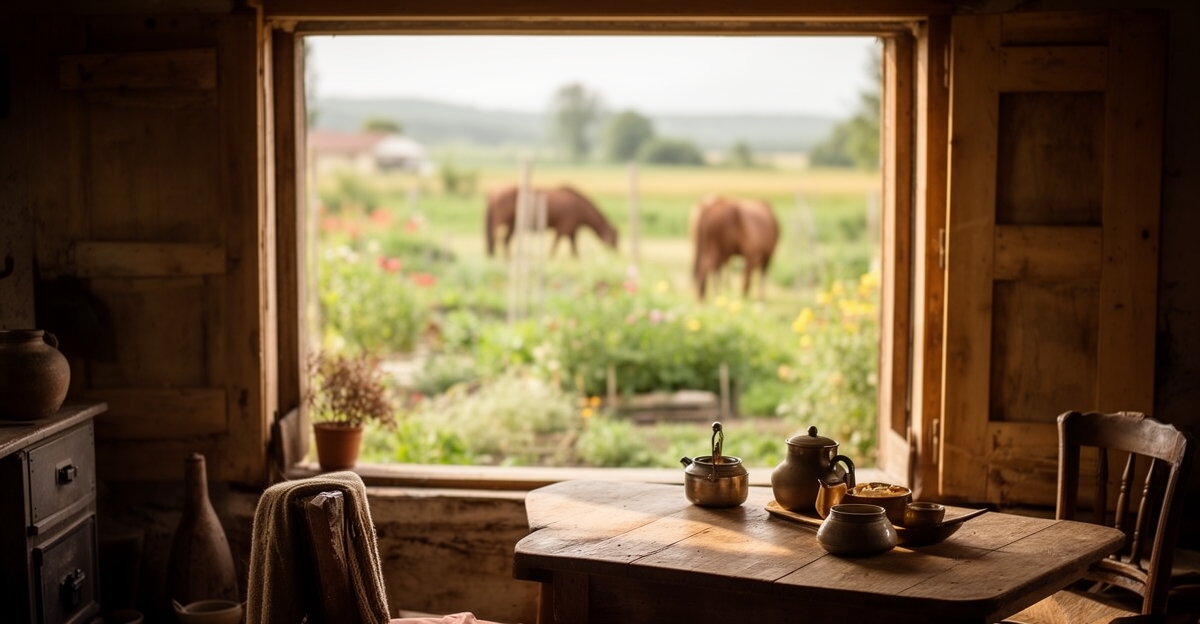

The idea of a quieter life is powerful. A lane-side cottage, a garden that backs onto fields, a village pub within walking distance. For many buyers, this is the dream that drives their search. But buying in a rural or village setting is genuinely different from buying in a town. The checklist is longer, the due diligence is deeper, and the mistakes can be costly.
This guide is for anyone seriously considering a move to a more rural location. It covers the practical questions you need to ask, the hidden costs you may not have budgeted for, and the lifestyle realities that are worth thinking through before you commit.
Understand what you are actually buying into
Rural and village properties are not just houses in a different setting. They often come with a different legal and physical structure. Some are affected by agricultural ties, meaning that previous planning conditions restrict who can live there. Others sit on private roads, with maintenance responsibilities shared between neighbours but no formal agreement in place.
Before you make an offer, ask the agent directly whether the property has any agricultural or occupancy conditions attached to it. Ask whether the road leading to the property is adopted by the council or privately maintained. These are not obscure questions. They are fundamental ones that affect your ability to sell the property in the future, and your costs while you own it.
Services and infrastructure deserve serious scrutiny
In a town, you assume mains gas, mains water, and a connection to the sewage network. In a rural setting, none of these should be assumed.
Many village and rural properties are heated by oil, LPG, or heat pumps rather than mains gas. Oil and LPG require storage tanks and regular deliveries. Prices can vary significantly, and supply can be disrupted. If you are buying a property with oil-fired heating, factor in the cost of a tank inspection and, potentially, a tank replacement if the existing one is old.
Some properties rely on a septic tank or a small sewage treatment plant rather than a mains sewer. These require periodic emptying and maintenance. Since January 2020, older septic tanks that discharge directly to a watercourse have needed to be upgraded or replaced to meet Environment Agency rules. Your solicitor should check this, but you should ask the question yourself too.
Broadband connectivity is another critical point. Remote working has changed what buyers need from a rural home. Check the actual speeds available at the specific property, not just the postcode. Tools such as Ofcom's connected nations checker can help, but the most reliable test is to ask the current owner what speed they receive and from which provider.
Planning and development in rural areas works differently
Rural areas are often subject to tighter planning restrictions, particularly in Areas of Outstanding Natural Beauty, green belt land, or within conservation areas. This cuts both ways. It means your neighbours cannot easily build something that damages your view or privacy. But it also means your own plans for extensions, outbuildings, or even solar panels may face more scrutiny than they would in a town.
If you are buying with a plan to extend or develop, speak to the local planning authority before you exchange contracts. A pre-application enquiry is usually informal and inexpensive, and it tells you a great deal about what is realistically possible. Do not assume that planning permission will follow as a matter of course.
Think carefully about transport and daily life
This is the point where many buyers are honest in theory but not in practice. Yes, you know there is no direct train. Yes, you know the nearest supermarket is twelve miles away. But have you thought through what that means on a dark Wednesday evening in February when someone needs to be picked up, the car needs to go in for a service, and you have a delivery arriving that requires a signature?
Rural life requires more planning and more flexibility. If you have children, think through the school run. Many village schools are excellent, but secondary schools often require bus journeys of an hour or more. If your children do activities in the evenings or at weekends, that means driving. Think about whether that sits comfortably with how you want to live.
If you or your partner rely on public transport, research the actual timetable, not the theoretical route. Many rural bus services run infrequently and do not operate in the evenings or on Sundays.
The cost of running a rural home can surprise you
Rural properties are often older and larger than equivalent-priced town homes. That can be part of the appeal. But older buildings cost more to heat, maintain, and insure. If the property has a thatched roof, a listed status, or a non-standard construction, your buildings insurance will reflect that. Get a quote before you commit, not after.
Properties in this area average around £719,000, and at that level, buyers are often looking at substantial character homes with land, outbuildings, or both. Land means maintenance. Outbuildings mean repairs. A paddock sounds romantic until you are paying to have it grazed, fenced, or cut several times a year.
Budget for the unexpected. A survey on an older rural property will often flag items that a modern house simply does not have, such as damp ingress through stone walls, aging drainage systems, or timber that needs treatment. Take those findings seriously rather than using them only as a negotiation tool.
Community matters more than people expect
In a rural setting, your immediate neighbours and the wider village community play a much larger role in your daily life than they would in a town. This is usually a good thing. Village communities can be welcoming, active, and mutually supportive. But integration takes effort, especially if you are commuting out during the week and only present at weekends.
Visit the area at different times of day and on different days of the week before you buy. Walk into the pub, attend a village event if one is happening, speak to people on the street. Get a feel for whether this is a community you want to be part of, not just a backdrop you want to look at.
Resale: be realistic about your buyer pool
Rural and village properties can take longer to sell than town-centre homes. The buyer pool is naturally smaller, because not every buyer wants the lifestyle or can manage without certain services. In this part of Kent, homes are averaging over 450 days on the market before selling, which reflects both the value of the properties and the selectivity of buyers in the area. When you buy, think about the future sale as well as the present purchase. A home with a private road, a septic tank, and no broadband is a harder sell than one where those things have been resolved. Wherever you can, resolve them.
Final thought
Buying in a rural or village setting is one of the most rewarding moves a buyer can make, provided they go in with clear eyes. Do the due diligence, ask the uncomfortable questions, and test the lifestyle before you commit. The reward, for those who get it right, is a home that genuinely improves daily life in ways that a town property rarely can.