
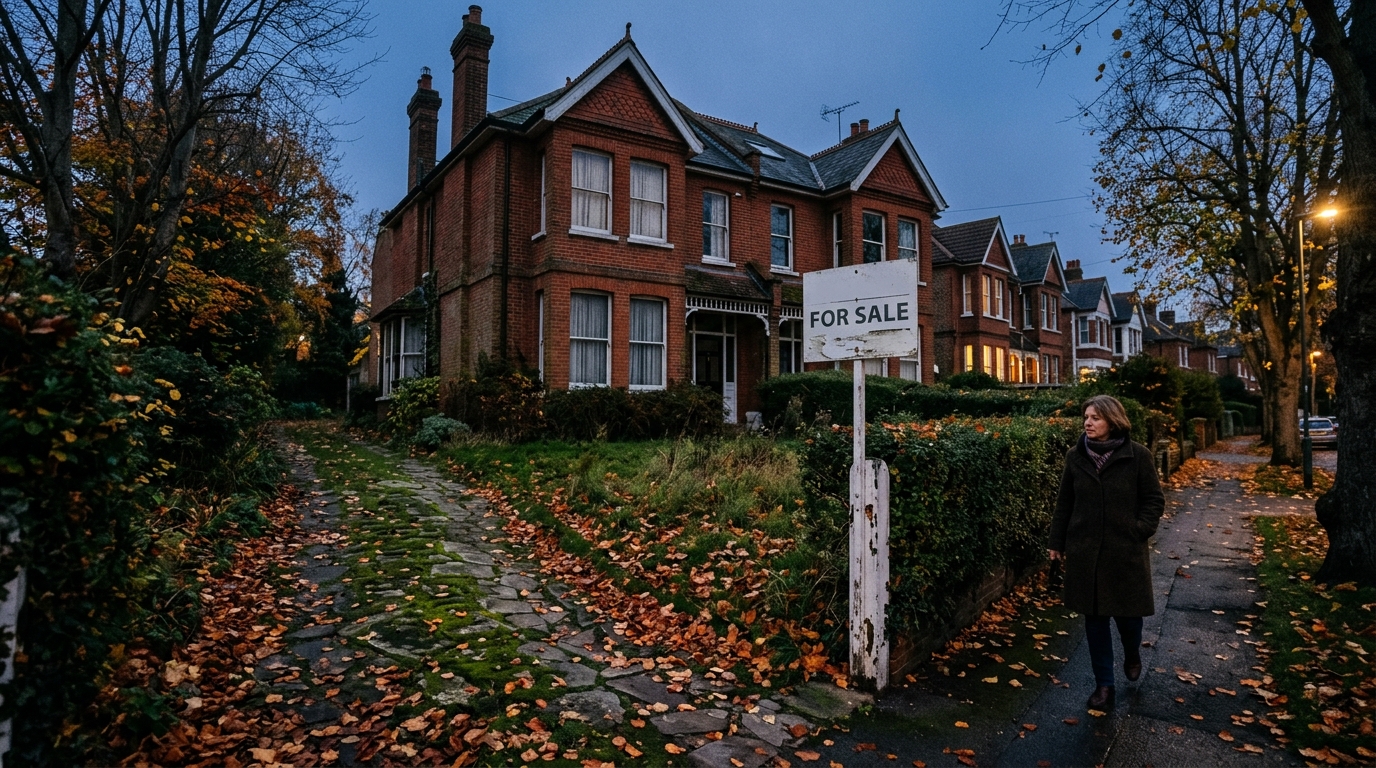

The Bank of England has sounded a clear warning over weakening activity across the British housing market. In its latest summary of business conditions, drawn from intelligence gathered across its national network of regional agents, Threadneedle Street reports that transaction volumes are dropping sharply, property sales are taking longer to complete, and buyer sentiment is deteriorating under sustained pressure from borrowing costs.
The findings carry particular weight ahead of this week's Monetary Policy Committee meeting. While financial markets expect the committee to keep the Bank Rate at 3.75 per cent, internal divisions remain evident after three members of the nine-strong panel voted for an increase at the previous gathering. Against that unsettled monetary backdrop, the central bank's regional agents noted that the slowdown is hitting London and the South East with particular force, leaving house prices under distinct pressure compared to the rest of the country.
Regional Pressures in the Commuter Belt
According to the Bank's report, transaction numbers have fallen by double-digit percentages in some regions when compared with the same period last year. The assessment paints an unvarnished picture of everyday trading conditions. Sentiment continues to deteriorate, with estate agents across the country reporting a subdued climate where house prices are barely rising nationally and slipping backward across southern commuter belts.
For homeowners and prospective buyers across Kent, these observations mirror conditions on the ground. When borrowing rates sit higher for longer, larger household balance sheets feel the pinch first. In affluent southern enclaves where property values routinely hover near the top tiers of regional wealth, buyers are no longer stretching their budgets to outbid competitors. Instead, they are scrutinising pricing structures and factoring long-term mortgage obligations into every offer.
The wider friction is evident in marketing timelines. Homes across Kent are currently taking an average of 188 days to secure a buyer and progress toward an exchange. That prolonged gestation period reflects a cautious audience unwilling to compromise on price without clear justification. Where transactions do move forward, they do so through painstaking negotiations rather than the swift exchanges seen during the pandemic boom.
New Builds and Builder Incentives
The central bank's intelligence is equally pointed regarding the construction sector. Demand for newly built property remains weak, constrained by mortgage affordability barriers that prevent first-time buyers and growing families from taking that next step up the ladder. Rather than seeing an influx of fresh supply, housebuilders are leaning heavily on incentives, price adjustments, and bulk portfolio sales to preserve basic cash flow.
This hesitation among volume builders reinforces a wider supply bottleneck across towns like Tonbridge, Sevenoaks, and Tunbridge Wells. Developers face escalating site expenses and financing costs, meaning speculative starts are paused. With no expectation of an imminent rebound in new construction, the market must rely largely on existing housing stock to satisfy whatever residual demand remains.
Yet existing sellers face their own dilemma. Many would-be movers are sitting on favourable mortgage rates secured years ago. Trading up means exchanging low fixed-rate borrowing for contemporary rates, a financial jump that deters discretionary relocations. The result is a stalemate where would-be movers hesitate to list, while active purchasers insist on realistic pricing before committing capital.
The Battle Between Expectation and Reality
Estate agency teams across the South East recognise the dynamic captured by the Bank's agents. Vendor expectations often lag behind broader financial realities by several months. While headline asking prices may take time to reflect market shifts, the underlying volume of agreed deals tells the true story.
With regional transactions slowing and sales taking extended periods to finalise, the balance of power has shifted toward realistic counterparties. Cash buyers, unencumbered purchasers, and those moving out of London with substantial equity hold the upper hand. In contrast, chains involving multiple contingent transactions face heightened vulnerability, as protracted marketing windows increase the likelihood of fall-throughs.
The Bank of England's agents noted that demand and supply are being held back simultaneously by a confluence of economic headwinds. Prospective purchasers are mindful of potential tax adjustments and fiscal developments on the horizon, while higher mortgage expenses reduce borrowing headroom. When combined, these factors produce a market characterised by circumspection rather than crisis. Properties are still trading, but only when priced to reflect the prevailing cost of credit.
A Testing Climate for Sellers
Success in this subdued environment requires an objective view of value. Setting an ambitious asking price in the hope of testing the market often results in protracted exposure, stale listings, and eventual price reductions. Homes that attract immediate, qualified interest are those launched at competitive levels that acknowledge buyer constraints from day one.
As the Monetary Policy Committee prepares its rate announcement, borrowers should not count on swift, substantial reductions in debt financing costs. The prevailing economic indicators suggest interest rates will remain elevated relative to the past decade's baseline. That permanence means the current market tone is not a transient summer pause, but rather the working reality for the foreseeable future.
The South East housing market continues to benefit from durable structural advantages, including exceptional schools, fast rail links into the capital, and an enduring quality of life. Those fundamentals ensure that demand will not evaporate entirely. Even so, the Bank of England's assessment confirms that navigating the coming months will require discipline, realism, and a keen eye on pricing across every rung of the local property ladder.