
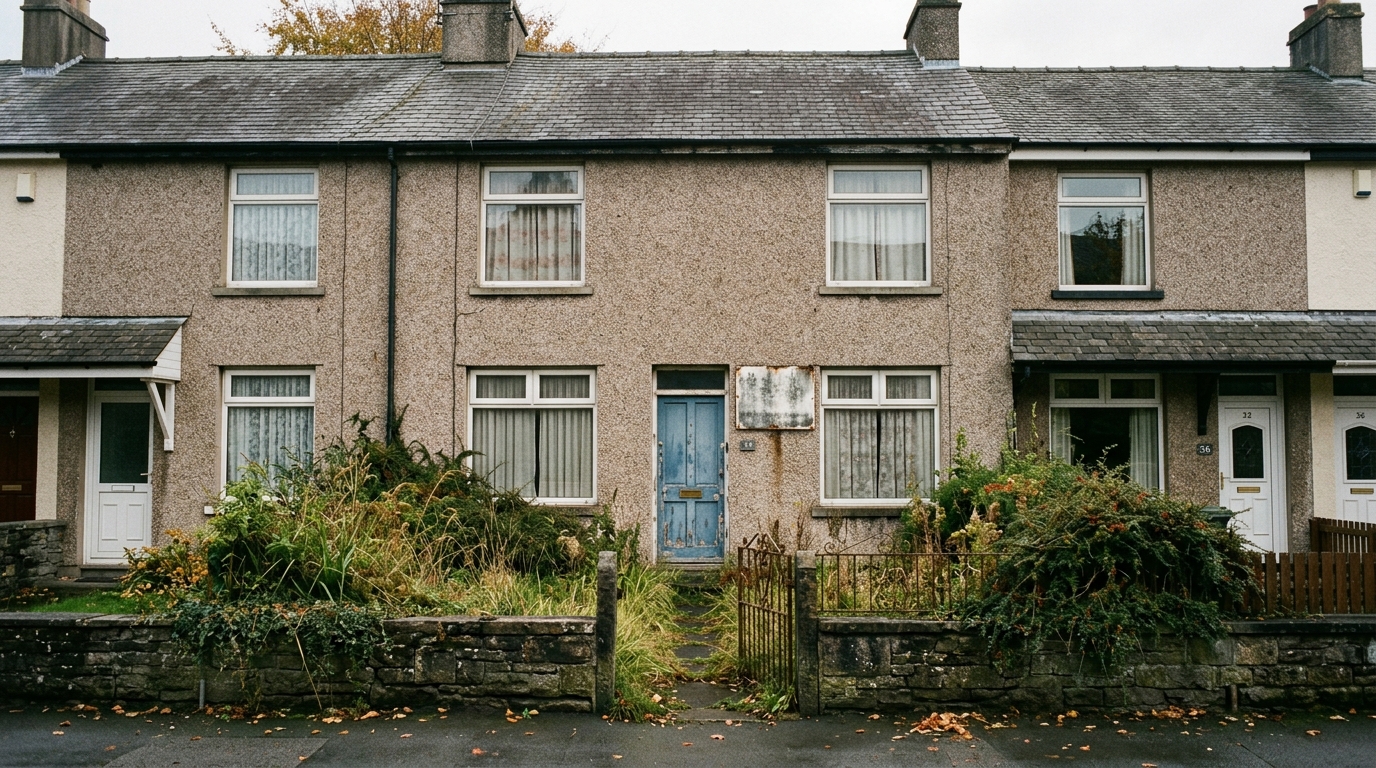

The Charity Commission has escalated its regulatory enforcement against Cumbria Community Homes, launching a statutory inquiry and imposing emergency orders to freeze property disposals and restrict financial transactions. The provider, registered as a charity in 2019 to supply accommodation for vulnerable adults in the Cumbria region, faces sweeping scrutiny over governance failures, absent trustees, and unfiled accounts.
Official action began on 3 September 2026 under section 46 of the Charities Act 2011, following a compliance case opened in December 2024. For landlords, institutional investors, and property managers watching the wider housing sector, the intervention exposes how quickly operational vulnerabilities can paralyse residential portfolios.
Inside the Cumbria Community Homes Inquiry
The regulator took protective measures to prevent the organisation from disposing of property without explicit consent. At the core of the inquiry lies an existential issue for any housing provider: whether the organisation possesses a functioning board of trustees capable and willing to manage its assets.
Alongside governance gaps, the Commission is probing whether charitable funds were expended properly, examining connected-party transactions and conflicts of interest. Delayed financial reporting served as the primary trigger that brought these internal deficiencies to light. When accounting deadlines slip, regulatory scrutiny sharpens fast.
Vulnerable Tenants and Structural Accountability
Providing specialised housing to vulnerable adults requires robust administrative and financial oversight. In social housing models where independent operators lease properties from private freeholders or manage public assets, cracks in governance threaten resident security directly.
Tenants in supported housing rely on seamless maintenance, transparent operations, and secure tenure. When a provider loses regulatory standing, day-to-day tenancy management falls into limbo. Property transactions freeze, repairs risk delays, and capital programmes stall entirely.
Implications for Private Landlords and Leased Portfolios
Many private landlords across England, including throughout Kent's commuter hubs and coastal districts, enter long-term corporate leases with housing associations, charities, and community interest groups. These arrangements often promise guaranteed rent and hands-off management, making them attractive to armchair investors seeking stable yields.
The collapse of oversight at Cumbria Community Homes serves as an urgent reminder of counterparty risk. Handing property control to a third-party corporate tenant does not absolve property owners of broader reputational or legal exposure. Landlords must examine whether their corporate partners maintain active boards, file annual returns on schedule, and operate transparent connected-party protocols.
Due Diligence in Regional Rental Markets
Whether managing residential lettings in Ashford, Maidstone, Tunbridge Wells, or further afield, compliance discipline separates resilient portfolios from distressed assets. Regulatory intervention rarely arrives without prior warning signs. Late accounts and shifting management teams invariably precede formal statutory sanctions.
Institutional and private investors alike must review corporate counterparties with greater scrutiny. That means checking statutory filings, understanding who holds ultimate governing authority, and ensuring emergency transition plans exist if an intermediary provider stumbles.
A Firmer Line on Housing Governance
Regulators across both the charity and housing sectors continue to tighten their grip on non-compliant providers. The Charity Commission has made clear that its final report will detail corrective actions and enforcement outcomes once the Cumbria Community Homes investigation concludes.
As regulatory scrutiny across all tenures intensifies, the lesson for landlords and lettings professionals is clear: sound governance, audited balance sheets, and active management are not administrative formalities, but the essential foundation of sustainable residential property management.