
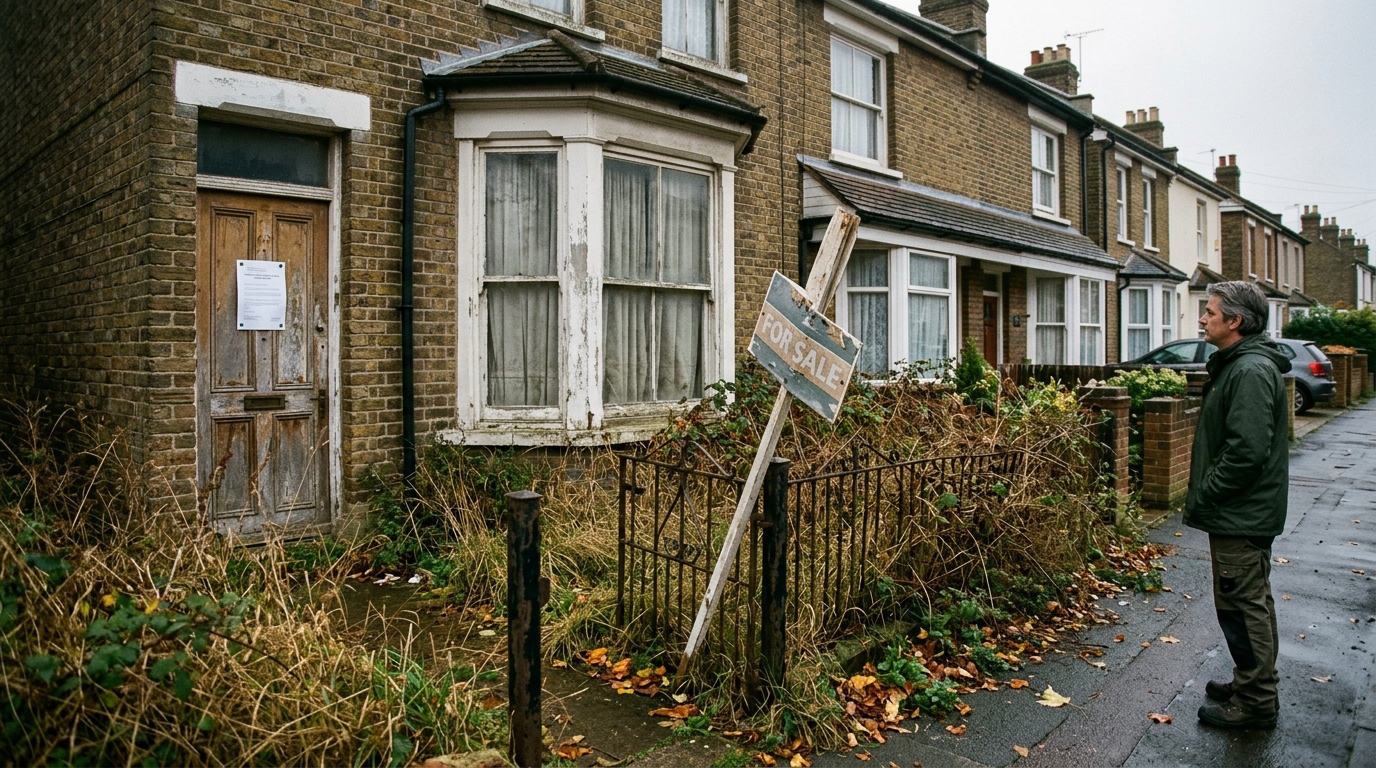

Ministers have announced an overhaul of Empty Dwelling Management Orders, slashing the vacancy threshold from two years down to just six months. The intervention from the Ministry of Housing, Communities and Local Government gives local authorities far sharper teeth to step in, take over management responsibilities, and let long-vacant properties to tenants for up to seven years while legal ownership stays in private hands.
Alongside the dramatic cut in qualifying time, the government is cutting out the red tape that previously stalled enforcement. Councils will no longer need to jump through evidential hoops proving antisocial behaviour or demonstrating community backing before applying to the First-tier Tribunal (Property Chamber). Officials are also weighing further measures to reinforce the regime, signalling an aggressive turn towards making the existing housing stock work harder.
Reviving a Dormant Enforcement Tool
Empty Dwelling Management Orders, originally created under the Housing Act 2004, have long been criticised as toothless. Previous restrictions required town halls to prove an address had sat empty for at least 24 months, while demanding extensive proof that the property caused a nuisance to neighbours. That burden meant many authorities simply walked away from the process, leaving run-down houses to languish behind overgrown hedges and boarded windows.
By shortening that window to six months, the government wants to step in before structural rot, roof leaks, and vandalism set in. For local councils struggling with temporary accommodation bills, securing a seven-year management lease offers a direct route to house families without waiting years for new developments to break ground. Property owners retain title to the asset and receive rental income after refurbishment and management costs are cleared, but they lose control over who lives there and the terms of tenancy.
The Impact Across the Kent Property Market
Across the 50 key Kent market areas monitored in regional data, conditions are marked by striking stillness. Property prices have seen 0.0% year-on-year growth, leaving the county average pinned at £873,939. At the same time, homes are taking an average of 191 days to secure a buyer, and the proportion of stock marked sold subject to contract sits at just 27%.
That 191-day average marketing timeline is telling. It matches almost exactly the government's new six-month enforcement threshold. While homes actively marketed for sale or let have statutory safeguards under the legislation, properties that fall out of probate, inheritances caught in limbo, or stalled renovation projects face genuine scrutiny. In an affluent county where prime family homes command close to nine hundred thousand pounds, letting a property drift into neglect is an expensive risk.
Navigating Slower Sales and Stalled Plans
With more than seven out of ten properties across Kent currently failing to reach sold subject to contract status, transactions are taking patience. Sellers who withdraw after six months of unsuccessful viewings cannot afford to let their properties sit neglected. If an empty residence falls into disrepair, neighbourhood complaints could quickly place it on an enforcement officer's desk under the streamlined rules.
For owners managing deceased estates, downsizing transitions, or lengthy refurbishments, the regulatory squeeze demands active management. Letting a home sit vacant while waiting for wider market momentum to return is no longer a benign choice. Those who want to keep control of their assets will need clear plans for maintenance, tenancy, or pricing adjustments to avoid unwanted intervention from council housing teams.