
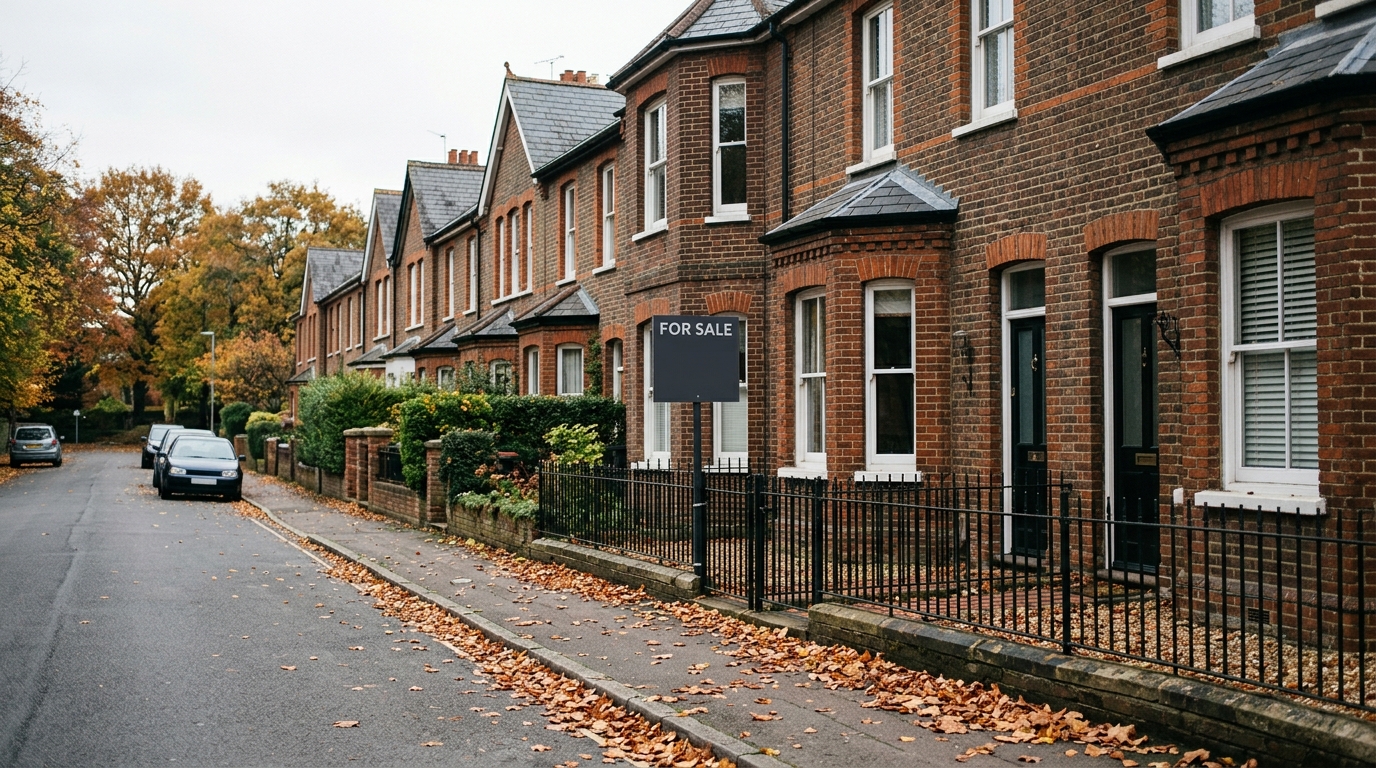

Nearly all of the major mortgage lenders in the UK have put up the price of home loans in the past week or so, and anyone who had been hanging on for rates to soften before signing a new deal has been left disappointed. Analysts cannot say with certainty whether further increases are coming, but the advice from those who track the market is consistent: if you need a new mortgage, do not wait around.
"Borrowers expecting mortgage rates to drop in the coming weeks have had their hopes dashed," said Rachel Springall of Moneyfacts. "It is still essential borrowers do not delay seeking advice to navigate the mortgage maze." It is a blunt assessment, and it lands at an awkward moment for a housing market that was hoping the autumn would bring a bit more momentum.
Who has moved, and by how much
HSBC and NatWest are among the biggest banks to increase mortgage rates since the start of September, according to Moneyfactscompare.co.uk. Moneyfacts said lenders were likely to review their propositions, following in the footsteps of HSBC, Barclays, NatWest and Santander in hiking up pricing. The numbers involved are not huge in isolation, but they add up quickly. A quarter-point rise on a typical two-year fixed mortgage would add around £38 to monthly repayments on a £250,000 mortgage over 25 years, or £456 a year, based on a rate increasing from 5.63% to 5.88%.
Someone whose five-year fixed deal is coming to an end faces paying more than £5,000 more a year on their next deal at a typical rate, assuming they borrow the same amount. That is a meaningful hit to household budgets, and it explains why brokers are pushing clients to lock in early. Many lenders allow borrowers to secure a new deal up to six months before their current one expires, with the option to switch to something cheaper if rates fall before it actually kicks in. Given the direction of travel lately, that safety net matters more than usual.
Why this is happening
The root cause traces back to the conflict in the Middle East and its knock-on effects through global bond markets. Bank of England governor Andrew Bailey, giving evidence to the Treasury Committee, said UK mortgage rates are typically about 75 basis points, or 0.75 percentage points, higher than they were at the point the conflict broke out, and that "with the possible exception of Japan... that is the largest increase in mortgage rates in the G7." A typical five-year fixed-rate mortgage now costs 5.7%, according to Moneyfacts, up from 4.95% before the war began, and a household with a £250,000 mortgage on a 25-year term faces paying around £1,565 a month if they fix today, £110 a month more than if they had locked in rates available in February.
More recently, rising UK government borrowing costs have added further pressure on top of the swap-rate volatility that has been driving lender pricing all year. The Bank's nine-member Monetary Policy Committee is due to meet next week to vote on interest rates, having voted six to three to hold at its July meeting. Traders are pricing in another hold for now, though markets are leaning towards the possibility of one increase before the year is out. Springall herself has suggested the prolonged conflict raises the odds of a Bank Rate rise, though most economists do not expect that to materialise before November.
Brokers are watching closely too. Aaron Strutt of Trinity Financial struck a cautiously hopeful note, saying "hopefully this will be the end of the rate rises for a while, but there are certainly no guarantees." He added a warning that will resonate with anyone trying to move house right now: "multiple small mortgage price rises add up and ultimately deter people from buying homes." There is also a structural worry sitting underneath all this. Bank of England data shows the proportion of mortgages where the loan is more than 90% of the value of the home has reached its highest level in 18 years, meaning a growing slice of borrowers have very little buffer if rates keep climbing.
The picture in Tonbridge
Locally, the numbers already tell a story of a market that has been treading water rather than racing ahead. Across the wider set of towns we track, the average asking price sits at £883,309, but the year-on-year change is flat at 0.0%, which tells us buyers and sellers have been largely stuck in a standoff on price for months now. Properties here are taking an average of 182 days to find a buyer, well over half a year, and only 30% of listings have gone under offer at any given time. That is not a market crying out for higher borrowing costs.
For Tonbridge specifically, this backdrop makes the latest round of mortgage repricing awkward timing rather than a sudden shock. Buyers who had stretched their affordability calculations based on rates a few months ago may now find their borrowing power trimmed just as they get close to an offer, which risks pushing already-long timescales out further still. Sellers who have priced ambitiously, hoping the autumn would bring fresh energy to the market, may need to recalibrate if the pool of realistic buyers narrows again. A 182-day average time on market already suggests plenty of vendors are having to be patient. Rising monthly repayments for prospective buyers will not shorten that wait.
Anyone with a fixed deal expiring in the next six to nine months, whether they are staying put or planning to move, would do well to get advice sooner rather than later. Locking in a rate now, with the option to switch later if pricing eases, looks like sensible protection against further increases rather than an overreaction. Given how flat local price growth has been, buyers also have a little more room to negotiate than they might in a hotter market, even with borrowing costs higher.
What to watch next
The next few weeks bring two things worth watching closely: whether more lenders follow HSBC, NatWest, Barclays and Santander in repricing upward, and how the Bank of England's rate-setters frame their thinking at next week's meeting. Neither outcome is settled yet, and it would be wrong to assume either way before the announcements are actually made. What does seem clear is that the easy assumption of falling rates, which many household budgets and moving plans were quietly built around, no longer holds. For a town like Tonbridge, already contending with a slow-moving market and static prices, that is one more variable buyers, sellers and their advisers will need to factor in as the autumn selling season gets under way.